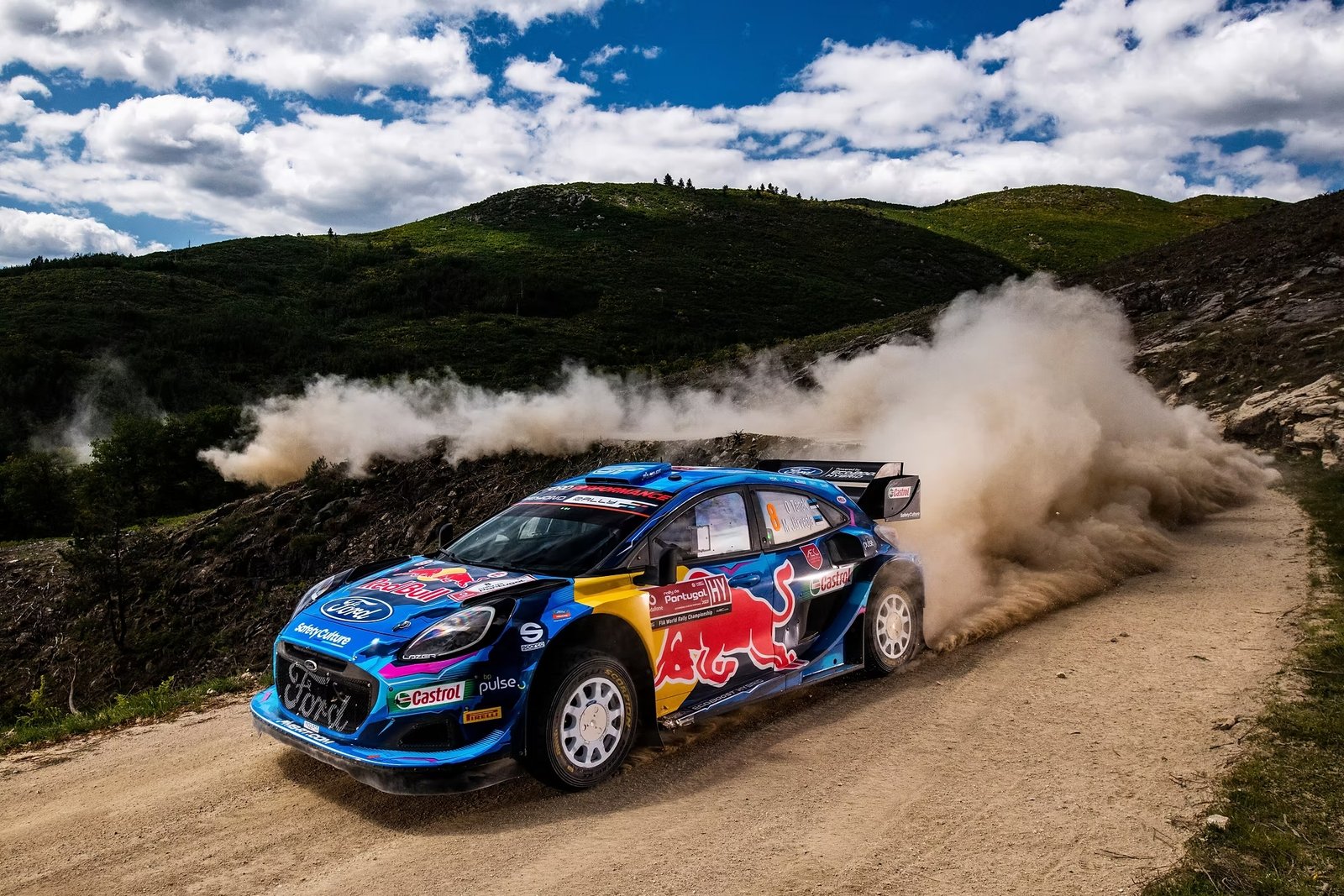
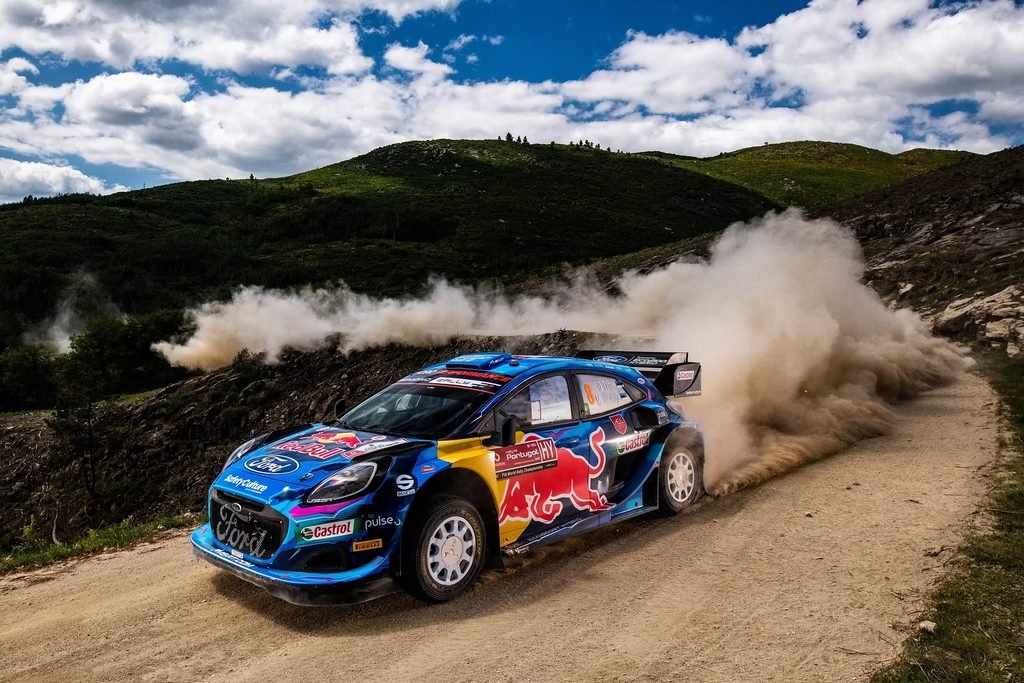
The World Rally Championship is preparing for one of its biggest transformations in years.
Rally racing has always been defined by change. From the wild Group B machines of the 1980s to the high-tech World Rally Cars of today, the sport has repeatedly reinvented itself.
Now, another major transition is approaching.
The FIA has been working toward new technical regulations designed to reshape the future of the World Rally Championship, with the next generation of Rally1 cars expected to place greater emphasis on cost control, manufacturer participation, and accessibility.
For fans, teams, and manufacturers, the changes could determine what top-level rally racing looks like for the next decade.
Why the WRC Needs to Change
Modern Rally1 cars are among the most advanced rally machines ever built.
They combine sophisticated aerodynamics, all-wheel-drive systems, advanced suspension, and hybrid technology.
But that level of technology comes at a cost.
Building and operating a top-level rally program requires an enormous financial investment. As a result, the number of manufacturers competing at the highest level has remained relatively limited.
Toyota, Hyundai, and Ford’s M-Sport operation currently represent the core of the championship.
The FIA wants to change that.
Future regulations are being developed with the goal of reducing costs and making it easier for additional manufacturers—and potentially private teams—to compete at the top level.
The challenge is finding a balance.
Make the cars too expensive, and fewer teams can afford them.
Make them too simple, and the WRC could lose the technological identity that makes it the highest level of rally competition.
A New Generation of Rally Cars Is Coming
The FIA has outlined plans for a new technical framework intended to reshape the championship.
The future regulations aim to make the cars more affordable while maintaining the speed, durability, and visual identity expected from a top-level rally machine.
One of the most interesting ideas behind the new direction is increased flexibility.
Instead of forcing every manufacturer to build a rally car that closely resembles a specific production model, future regulations could allow teams greater freedom in body design and vehicle appearance.
That could potentially open the door to a wider variety of cars.
Imagine a manufacturer returning to rally racing with a vehicle specifically designed around competition rather than being limited by its current showroom lineup.
For fans, that could make the WRC significantly more interesting.
Toyota, Hyundai, and Ford Are Still Fighting for the Future
While the regulations are changing, the current championship remains highly competitive.
Toyota has established itself as one of the dominant forces in modern rally racing, continuing a long tradition that includes legendary machines such as the Celica GT-Four and Corolla WRC.
Hyundai remains a serious challenger with its Rally1 program.
Ford, represented by M-Sport, continues to bring one of rallying’s most recognizable names into the championship.
The problem for the WRC is not a lack of competition between those teams.
The issue is the limited number of manufacturers involved.
A future set of regulations that reduces the financial barrier to entry could potentially attract additional brands.
That is one of the FIA’s biggest objectives.
Hybrid Technology Has Changed Rallying
The introduction of hybrid power was one of the most significant changes in the Rally1 era.
The technology added another layer of performance and complexity to the cars.
But hybrid systems also increased costs.
As the WRC prepares for its next generation, the role of electrification remains one of the biggest questions.
Automotive manufacturers are rapidly changing their road-car strategies.
Some are investing heavily in battery-electric vehicles.
Others are continuing to develop hybrid technology and internal-combustion engines.
The FIA needs regulations flexible enough to remain relevant in an industry that is changing faster than ever.
That could mean creating a platform capable of supporting different powertrain technologies rather than locking the championship into a single solution.
The Cars Could Become More Accessible
One of the most exciting possibilities is the potential return of stronger customer participation.
Historically, rally racing has benefited from private teams and independent drivers.
More affordable top-level cars could help bring some of that spirit back.
The ability to purchase and operate a competitive rally car without the resources of a major manufacturer would create more opportunities for drivers and teams.
More cars on the entry list would mean more competition.
And more competition is almost always good for the sport.
Rally Racing Still Has One Major Advantage
Unlike circuit racing, rallying takes motorsport directly into extreme environments.
A Formula 1 car races on carefully prepared circuits.
A rally car may compete on snow in one event and rough gravel or asphalt in another.
Drivers face changing weather, unpredictable road conditions, jumps, narrow stages, forests, mountains, and massive elevation changes.
That makes rallying one of the most demanding forms of motorsport.
The technology can change.
The cars can change.
But that fundamental challenge will always remain.
The Connection Between Rally Cars and Road Cars
One of the reasons rally racing has historically been so popular is the connection between competition and production vehicles.
Cars such as the Subaru Impreza WRX STI, Mitsubishi Lancer Evolution, and Ford Focus RS developed strong reputations because fans could see similar-looking machines competing in the World Rally Championship.
That connection helped manufacturers sell performance cars.
It also created some of the most passionate fan communities in automotive culture.
As future regulations become more flexible, the FIA will need to ensure that rally cars still maintain enough visual identity to create that connection with fans.
A completely disconnected prototype might be fast.
But it would not necessarily inspire enthusiasts in the same way.
Bringing Rally Inspiration to Your Own Car
Most drivers will never compete through a forest stage at 120 mph.
But rally culture has influenced the modification world for decades.
Practical upgrades such as improved lighting, durable mud flaps, and protective accessories can bring some rally-inspired functionality to certain vehicles.
For enthusiasts building a rally-inspired street car, a quality set of vehicle-specific performance mud flaps can be a practical modification that adds both protection and a motorsport-inspired look.
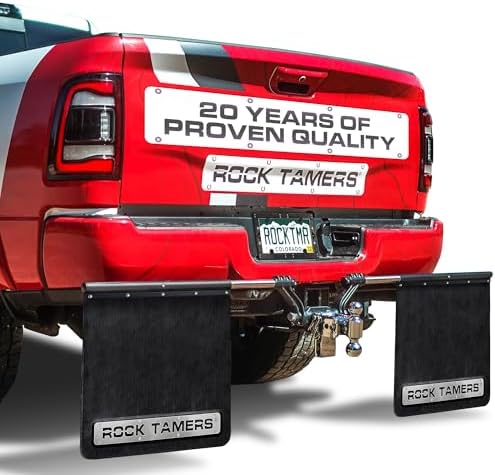
- BUILT TO LAST — When you buy Rock Tamers, you are purchasing a premium product from a Colorado-based, family-owned compa…
- Overall width is adjustable from 66.75 inches to 97 inches.
- Easily secures to most 2-inch ball mounts and receiver hitches.
Always make sure the product is compatible with your vehicle before purchasing.
The Future Could Bring More Manufacturers
The biggest question surrounding the WRC’s future is simple:
Who will join?
The success of the new regulations may ultimately depend on whether they can attract additional manufacturers.
A championship featuring Toyota, Hyundai, Ford, and several new brands would create a dramatically different competitive environment.
Potential manufacturers would not only bring new cars.
They would bring new drivers, engineers, technology, and fan communities.
More importantly, they could bring fresh rivalries.
Motorsport is built on competition.
And some of the greatest eras in rally history occurred when multiple manufacturers were willing to fight at the highest level.
Rally Racing Is Changing, But Its Identity Remains
The WRC is entering another period of transition.
Future regulations could change the technology, cost, design, and even the number of teams competing at the highest level.
But the essence of rally racing is unlikely to disappear.
Drivers will still attack narrow roads at extreme speeds.
Engineers will still search for traction in impossible conditions.
And manufacturers will still chase victories across gravel, snow, mud, and asphalt.
The next generation of rally cars may look very different from today’s Rally1 machines.
They may be cheaper.
They may use different powertrains.
And they may allow more manufacturers to compete.
But if the FIA gets the balance right, the upcoming changes could create something rally fans have been waiting for:
a larger, more competitive, and more unpredictable World Rally Championship.
The future of rally racing is changing.
And that could be exactly what the sport needs.