Understanding OBD2 Automotive Scanners
For car owners and DIY mechanics, diagnosing vehicle problems can feel overwhelming. However, with the advent of OBD2 automotive scanners, the process has become significantly easier. These devices communicate with your vehicle’s computer system and provide critical information about its performance and any potential issues that may arise.
How OBD2 Scanners Work
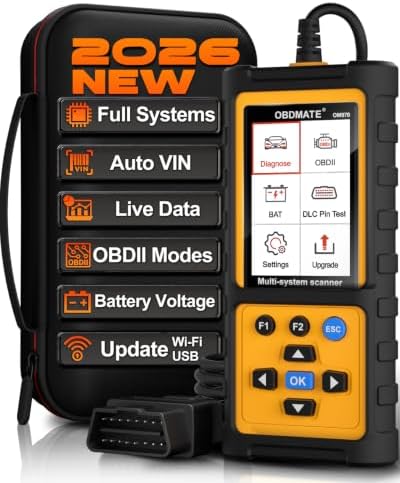
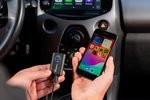
OBD2 scanners work by connecting to the On-Board Diagnostics system of vehicles made from 1996 onward. When plugged into the OBD2 port, these scanners can read trouble codes that indicate specific problems, offering insights into areas that need attention. Many advanced models even provide real-time data, helping car enthusiasts understand their vehicle’s operational status.
Choosing the Right OBD2 Scanner
When selecting an OBD2 scanner, consider your specific needs. Some models are basic and provide error codes, while others offer detailed diagnostics and advanced features like live data streaming. To find the best options, check out recommendations available on platforms like Amazon. These scanners not only empower you to diagnose issues but also save you time and money that would typically be spent at a mechanic.