The Formula 1 driver market has just experienced one of its biggest developments of the 2026 season.
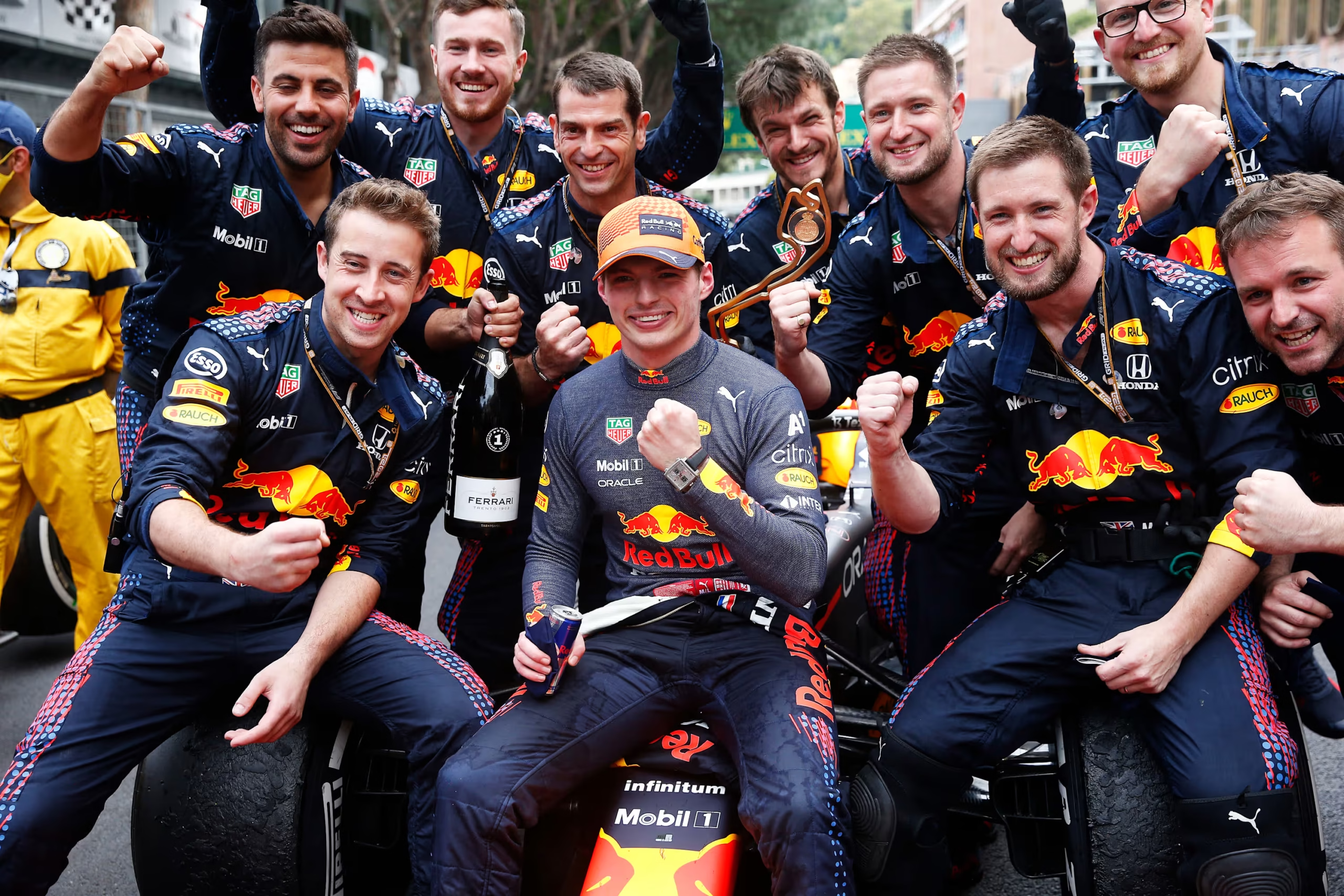
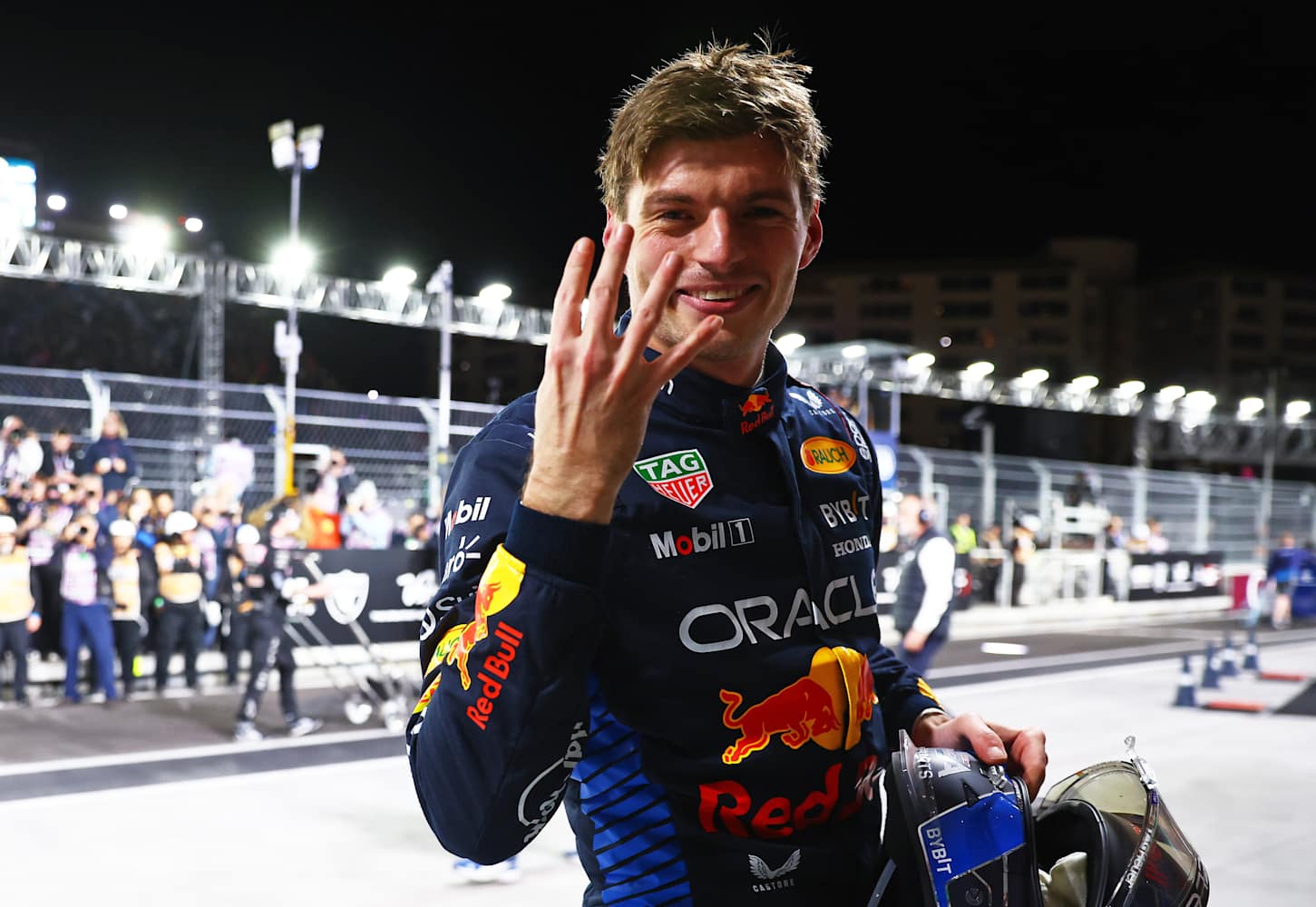
Four-time World Champion Max Verstappen has committed his future to Red Bull Racing until the end of the 2030 Formula 1 season, ending months of speculation about a potential move to rival teams.
Verstappen had been linked with several possible destinations, including Mercedes and McLaren. Instead, the Dutch driver has chosen to continue his long-term relationship with the team that helped turn him into one of the most dominant drivers in modern Formula 1.
Why Verstappen’s Decision Is Such a Big Deal
Verstappen’s future had become one of the biggest questions in the Formula 1 paddock.
Red Bull is currently going through a major transition. The team is racing with its own power unit in partnership with Ford, while several important figures have left the organization in recent years.
On top of that, Red Bull has struggled to match the championship-leading teams during the 2026 season.
Despite those challenges, Verstappen has decided that his future remains with the Austrian team.
The new agreement reportedly extends his commitment through 2030, giving Red Bull one of the strongest possible foundations as Formula 1 enters a new era of regulations and power-unit development.
A Difficult 2026 Season
The decision is particularly surprising because Verstappen and Red Bull have not enjoyed the same level of dominance seen during their championship-winning years.
According to recent reports, Verstappen has not won a race during the 2026 season and sits significantly behind championship leader Kimi Antonelli.
Red Bull is also fighting outside the very top of the constructors’ standings, making Verstappen’s decision to commit long-term even more significant.
Instead of jumping to a potentially more competitive team, Verstappen appears to be betting on Red Bull’s ability to rebuild.
Ford Could Play a Major Role in Red Bull’s Future
One of the biggest changes for Red Bull is its new power-unit program.
The team is developing its Formula 1 engines in partnership with Ford, marking a completely new chapter for an organization that previously relied on external engine suppliers.
The success or failure of that project could define Red Bull’s competitiveness over the next several years.
By committing until 2030, Verstappen is effectively placing his confidence in the team’s ability to develop a competitive package for Formula 1’s next generation.
That makes his decision about much more than a driver contract.
It is a vote of confidence in Red Bull’s entire long-term project.
What Happens to the Formula 1 Driver Market Now?
Verstappen’s decision could have major consequences throughout the paddock.
With one of the sport’s most valuable drivers now locked into a long-term deal, Mercedes and McLaren will need to focus on other options for the future.
The move also shifts attention toward drivers whose contracts and futures remain uncertain.
One of the biggest names to watch is Fernando Alonso, whose long-term future in Formula 1 remains an important question.
Meanwhile, teams such as Haas and Cadillac could still make changes as the driver market develops toward the 2027 season.
Red Bull Keeps Its Biggest Asset
For Red Bull, keeping Verstappen may be just as important as signing a new engineer or developing a faster car.
A team can rebuild its technical department.
It can hire new designers.
It can develop a new power unit.
But replacing a driver capable of extracting maximum performance from almost any situation is much more difficult.
Verstappen has been central to Red Bull’s success for more than a decade, becoming a multiple-time world champion and one of the most recognizable drivers in motorsport.
His commitment gives Red Bull something extremely valuable during a period of uncertainty: stability.
The Verstappen and Red Bull Era Isn’t Over
For years, Formula 1 fans have wondered when Verstappen might eventually leave Red Bull.
That question now appears to have an answer.
At least for the foreseeable future, Verstappen is staying.
The next challenge will be whether Red Bull can build a car capable of returning him to the front of the grid.
If the team succeeds, the Verstappen-Red Bull partnership could continue writing one of the most successful chapters in modern Formula 1 history.
And if it doesn’t?
A contract running until 2030 will make the next few years extremely interesting.
One thing is now clear: Max Verstappen isn’t done with Red Bull yet.