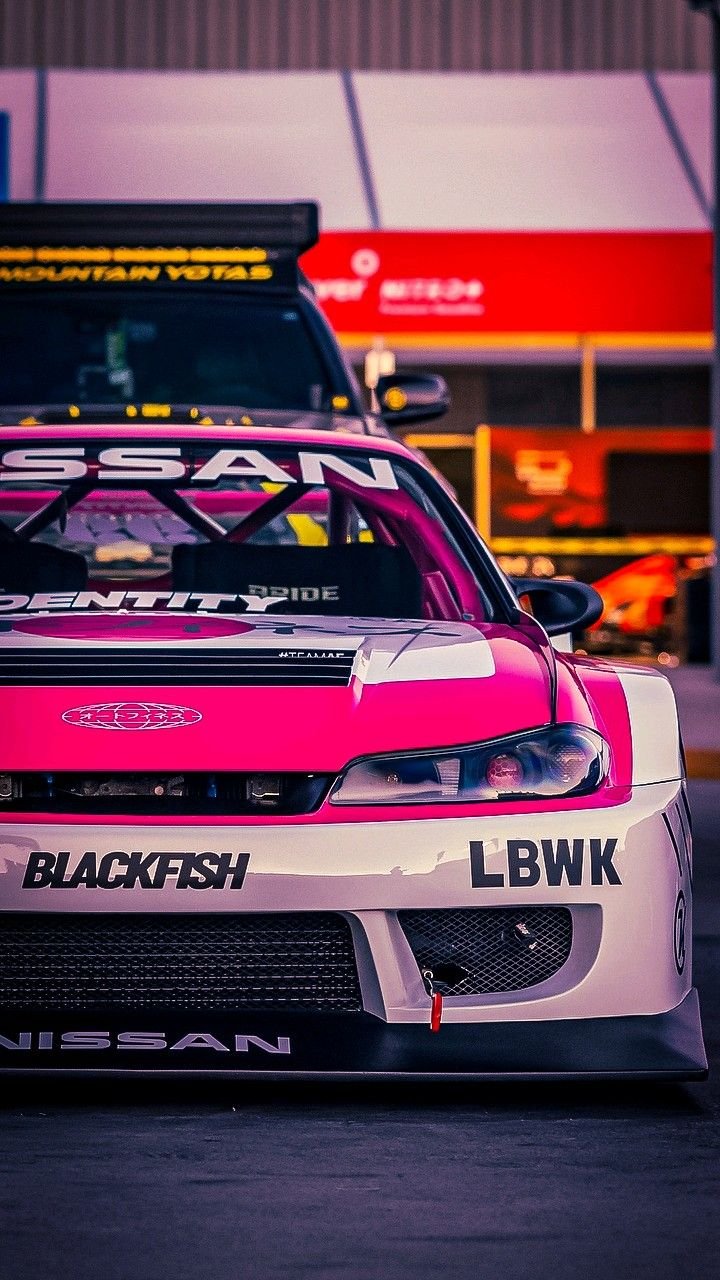
Japanese performance cars have always had a special place in automotive culture. From high-revving Hondas and rotary-powered Mazdas to Nissan race cars and Toyota endurance machines, Japan has produced some of the most influential vehicles in motorsport history.
This month, that legacy took center stage at the 2026 Rolex Monterey Motorsports Reunion at WeatherTech Raceway Laguna Seca.
The event featured an extraordinary collection of historic Japanese race cars and motorcycles, bringing together machines from manufacturers including Mazda, Toyota, Nissan, Honda, Acura, Lexus, Mitsubishi and Yamaha.

For JDM enthusiasts, it was more than just another classic car event.
It was a celebration of the machines that helped transform Japan from an automotive underdog into one of the most respected forces in global motorsport.
Two Le Mans Legends Together
One of the most remarkable moments of the event was the presence of two historic overall winners from the 24 Hours of Le Mans.
The legendary Mazda 787B, which became the first Japanese car to win Le Mans outright in 1991, appeared alongside Toyota’s TS050 Hybrid, the car that helped deliver Toyota’s first overall victory at the famous endurance race.
Seeing these two machines together represented more than two generations of racing technology.
The Mazda 787B represents one of the wildest eras in endurance racing, powered by its unforgettable rotary engine. The Toyota TS050 Hybrid, meanwhile, represents the modern era of highly advanced hybrid racing technology.
Different technologies. Different generations.
But both cars represent the same thing: Japan proving that it could compete—and win—on the world’s biggest racing stages.
Nissan, Honda and Toyota Racing Icons Also Joined the Celebration
The event was not focused on just one manufacturer.
More than 40 historic Japanese race cars were part of the larger exhibition, including legendary machines from some of Japan’s most important motorsport programs.
One of the featured cars was the championship-winning Nissan NPT90, a machine from Nissan’s dominant era in American sports car racing.
Japanese manufacturers have built their reputation across almost every form of motorsport.
Nissan became a major force in touring cars, endurance racing and GT competition. Honda established itself as a global motorsport powerhouse through Formula 1, touring cars and motorcycle racing. Toyota eventually became one of the dominant manufacturers in modern endurance racing.
Meanwhile, Mazda created one of the most memorable moments in Le Mans history with the rotary-powered 787B.
The result is a motorsport legacy that extends far beyond the cars most people associate with the term JDM.
More Than Just Skyline GT-Rs and Supras
When people think about JDM culture, cars like the Nissan Skyline GT-R, Toyota Supra, Mazda RX-7 and Honda NSX usually dominate the conversation.
And for good reason.
These cars became legends thanks to a combination of performance, tuning potential and appearances in movies, video games and racing.
But events like the Monterey Motorsports Reunion show that Japanese automotive history goes much deeper.
The technology developed through Japanese motorsport eventually influenced production cars. Turbocharging, lightweight construction, advanced engine technology, hybrid systems and sophisticated aerodynamics all benefited from lessons learned on the racetrack.
Today’s Japanese performance cars may look very different from the machines that competed decades ago, but the connection is still there.
Why JDM Culture Is Stronger Than Ever
The celebration at Laguna Seca comes at an interesting time for Japanese performance cars.
Many enthusiasts are worried about the future of internal-combustion sports cars. Manual transmissions are becoming less common, electrification is accelerating and increasingly strict emissions regulations are changing how manufacturers develop performance vehicles.
Yet enthusiasm for classic Japanese cars continues to grow.
Cars that were once considered affordable project vehicles are now becoming collectibles. Clean examples of the Skyline GT-R, Supra, RX-7, NSX and other Japanese icons have dramatically increased in value over the past decade.
At the same time, a new generation of enthusiasts continues to discover Japanese car culture through racing games, social media and automotive events.
The result is a unique moment where classic JDM cars are becoming increasingly valuable while Japanese manufacturers continue to influence the future of performance technology.
Japanese Performance Still Matters
The 2026 Rolex Monterey Motorsports Reunion was ultimately a reminder of how much Japanese manufacturers have contributed to automotive history.
For decades, Japanese brands were often underestimated by European and American competitors.
That changed through innovation, engineering and motorsport success.
From the rotary scream of the Mazda 787B to Nissan’s racing dominance and Toyota’s modern endurance victories, Japanese manufacturers have repeatedly demonstrated that performance does not belong to one country or one automotive tradition.
And judging by the enthusiasm surrounding Japanese automotive culture today, the JDM community has no intention of slowing down.
The cars may be getting older.
The legends, however, are only getting bigger.