Diagnose Your Car With Confidence
Learn to read trouble codes, use live data, and choose the right scanner for your vehicle.
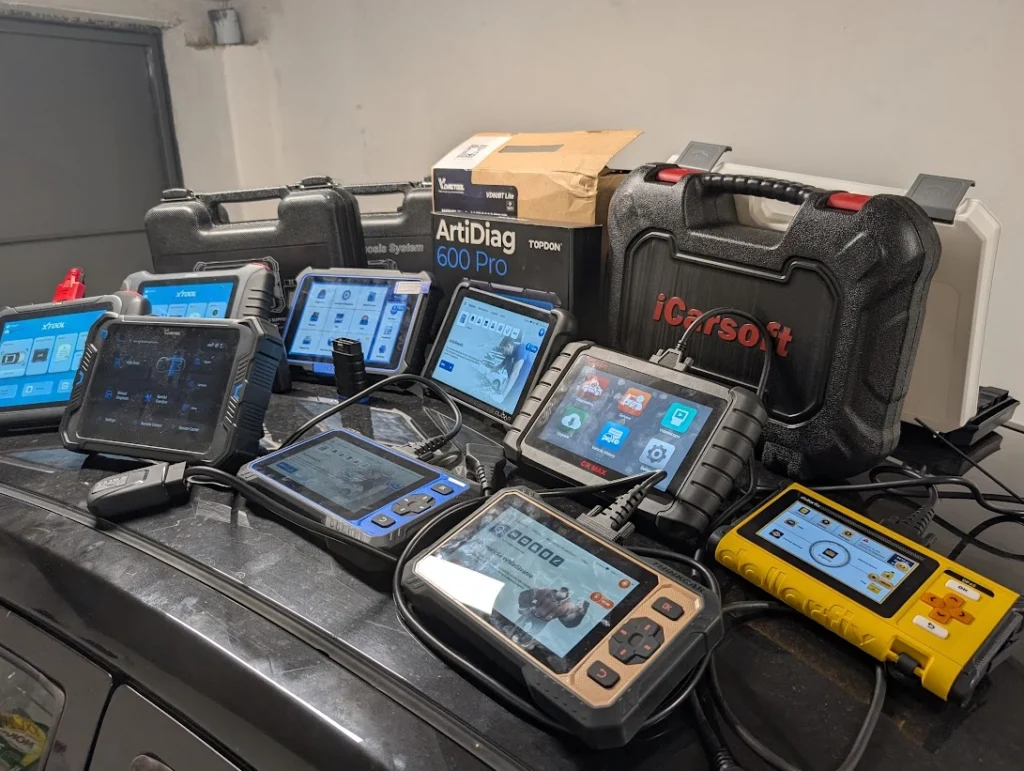
Best OBD-II Scanners
Best Overall: Ancel BD310
Best Bluetooth Scanner: BlueDriver Pro Next Gen
Best Budget: Motopower MP69033
Best Value: TopDon AD600S
The Best OBD-II Scanners You Can Buy

- 【2-IN-1 WIRED & BLUETOOTH OBD2 SCANNER】Get the reliability of a wired code reader and the convenience of Bluetooth app d…
- 【UNDERSTAND CHECK ENGINE LIGHTS BEFORE PAYING FOR REPAIRS】Stop guessing why your warning light is on. Read engine troubl…
- 【MONITOR BATTERY HEALTH & VEHICLE PERFORMANCE】Track battery voltage in real time and spot charging system problems befor…
The ANCEL BD310 earns our pick as the Best Overall OBD2 Scanner thanks to its excellent balance of simplicity, versatility, and affordability.
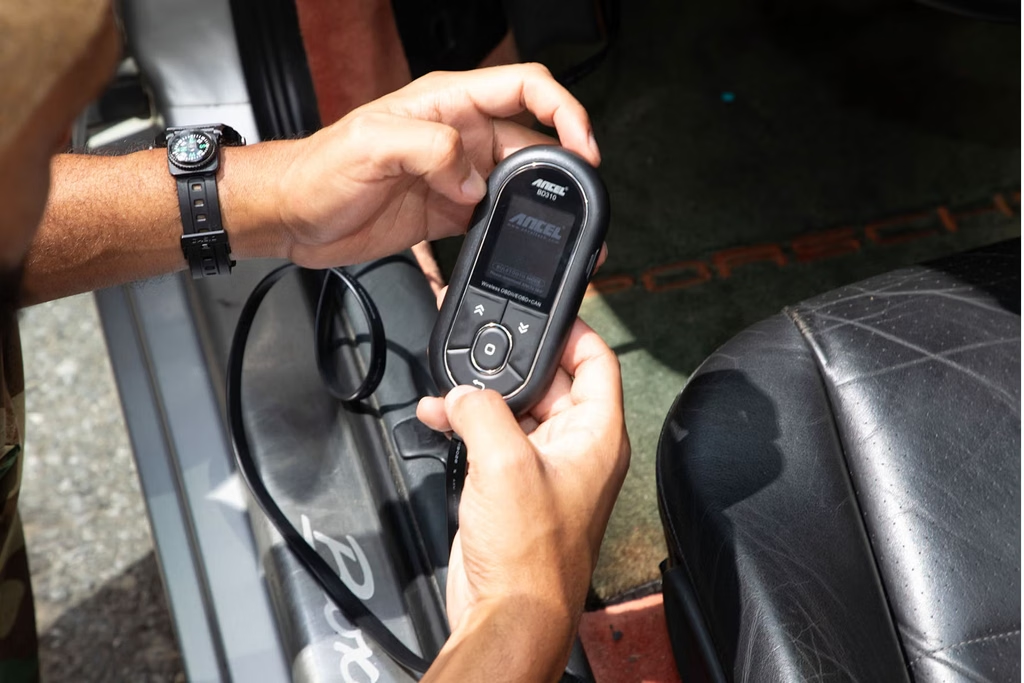
Unlike many basic code readers, the BD310 gives you the flexibility to use it as a traditional wired scanner or connect it to your smartphone via Bluetooth. The free companion app provides access to additional diagnostic data, live data monitoring, performance information, and useful diagnostic tools through an intuitive interface.
During our evaluation, the BD310 delivered fast code reading and a smooth connection experience. It offers several features typically found in more expensive scan tools while remaining an affordable option for everyday drivers and DIY mechanics.
Although it does not offer bi-directional control or advanced active tests, the BD310 is an excellent choice for reading and clearing trouble codes, monitoring live vehicle data, checking freeze-frame information, and understanding the cause of a check engine light.
Bottom line: If you’re looking for a versatile and beginner-friendly OBD2 scanner that can work both with a cable and wirelessly through your phone, the ANCEL BD310 offers one of the best combinations of features and value in its price range.

- Updated New Version AD600S: Discover the improved version of TOPDON AD600S OBD2 scanner. Now immerse yourself in a seaml…
- Professional 4 Systems Diagnostics: For car owners dealing with common issues such as engine, transmission, ABS, and SRS…
- 9 Hot Reset Functions: Say goodbye to costly trips to the repair shop for resetting after routine maintenance such as ch…
The TOPDON AD600S stands out as an excellent budget-friendly bi-directional scan tool, offering advanced diagnostic capabilities at a significantly lower price than many competing professional scanners.
One of its biggest advantages is the combination of bi-directional control, active tests, and free lifetime updates with no subscription fees. This makes the AD600S an attractive option for DIY mechanics, automotive enthusiasts, and professionals looking for advanced functionality without committing to ongoing costs.
The scanner uses a wired OBD2 connection and features an Auto Scan function for quickly identifying vehicle systems and retrieving diagnostic trouble codes. It also provides access to extensive live data and freeze-frame information.
However, there are some usability compromises. The touchscreen can feel less responsive than those found on higher-end scanners, although physical buttons provide an alternative way to navigate the interface. Additionally, the scanner displays a large number of available Live Data PIDs, including inactive ones, which can make finding specific information more time-consuming.
Despite these minor limitations, the TOPDON AD600S delivers impressive functionality for its price. With bi-directional controls, extensive diagnostic data, and no subscription fees, it offers exceptional value for anyone who needs more than a basic OBD2 code reader.
Bottom line: The TOPDON AD600S is a strong choice for users looking for an affordable entry into bi-directional diagnostics and active testing without the long-term cost of paid software subscriptions.

- [All System Diagnostics, Professional-Level Scanner] – BLCKTEC 460T is the ultimate OBD2 diagnostic tool for home mechan…
- [12+ Most Popular Reset Functions] – BLCKTEC 460T OBD2 scanner offers 12+ dealer-level service functions, including Oil …
- [Real-Time OBD2 and OEM Live Data, Freeze Frame Data] – BLCKTEC 460T helps diagnose vehicle issues when warning lights l…
The BLCKTEC 460T is a versatile multi-system diagnostic scanner designed for drivers and DIY mechanics who need more than a basic check engine code reader.
In addition to reading and clearing engine codes, the 460T provides diagnostic access to major vehicle systems, including ABS, SRS, and transmission. It also offers 12 maintenance and reset functions, allowing users to perform common service procedures such as oil resets, TPMS resets, electronic parking brake service, battery management, steering angle sensor calibration, DPF functions, and throttle adaptation.
One of its biggest advantages is its combination of diagnostic coverage and everyday service features. The scanner also includes ABS bleeding functions, battery testing, automatic VIN identification, and free software updates, making it a practical tool for users who want to handle a wider range of diagnostics and maintenance tasks.
While it may not offer the same level of advanced functionality as high-end professional bi-directional scan tools, the BLCKTEC 460T provides an impressive range of features for its category.
Bottom line: The BLCKTEC 460T is a strong option for car owners and DIY mechanics looking for an affordable scanner with full-system diagnostics, multiple reset functions, and essential maintenance capabilities—all without the complexity or cost of a professional workshop-level scan tool.
Key Features to Look For in OBD-II Scanners
Vehicle Compatibility
Make sure the scanner supports all OBD-II protocols used by your vehicle. Most cars from 1996 onward will be compatible, but double-check for imports or newer models. A scanner with broad protocol coverage will work across multiple vehicles.
Live Data Streaming
Live data lets you monitor engine sensors in real time, which is critical for diagnosing intermittent problems. Some scanners also display this data in graphs for easier analysis. This feature adds depth beyond basic code reading.
Inspection and Maintenance Readiness Check
An inspection and maintenance, or I/M readiness check tells you if your car’s emission systems are ready for testing. This is essential before a state inspection or smog test. It saves you from wasting time and money on failed inspections.
What Not to Buy
- Outdated or Nonupdatable Software
Scanners that can’t be updated will quickly become obsolete as car tech evolves. Without updates, newer vehicles or codes won’t be supported. Always pick an OBD-II scanner with clear update paths and active developer support.
- Overly Complicated Models for Beginners
High-end professional tools with excessive menus and features can overwhelm casual users. If you just want basic diagnostics, avoid scanners with too many advanced options you won’t use. Complexity can slow down troubleshooting.
- Devices Relying Only on Unstable Apps
Some wireless dongles depend on buggy or outdated smartphone apps that crash or disconnect frequently. If the app is poorly supported or has bad reviews, your scanner won’t be reliable. Avoid scanners without strong, regularly updated apps.
Who Needs an OBD-II Scanner?
If you like working on your own car, an OBD-II scanner is essential for diagnosing issues quickly without a trip to the shop. It helps you understand what’s wrong before deciding whether you can fix it yourself or need professional help.
For pros, an OBD-II scanner is a fundamental diagnostic tool that saves time pinpointing faults and verifying repairs. Advanced models can access more systems beyond just the engine for comprehensive diagnostics.
Even if you’re not a hands-on mechanic, a scanner can prevent unnecessary trips to the repair shop by identifying simple issues or clearing false alarms like a stuck check-engine light. Diagnose it yourself, fix it yourself, and save some money.
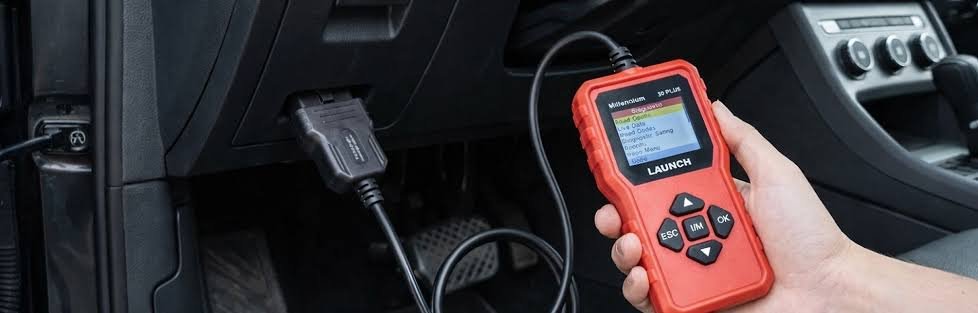
More OBD-II Scanners We Like
FIXD Bluetooth OBD-II Scanner
A beginner-friendly Bluetooth scanner that makes vehicle diagnostics simple through a smartphone app. It can monitor multiple vehicles from one account, making it a great choice for families and small fleets.
MotoPower MP69033
A simple and affordable OBD2 scanner for reading and clearing basic trouble codes. Easy to use, with no app, subscription, or complicated setup required.
ANCEL BD310
A versatile scanner that combines traditional wired diagnostics with Bluetooth connectivity. Its clear display and smartphone app provide an excellent balance of convenience and functionality.
OBDLink MX+
A powerful Bluetooth scanner compatible with Android, iOS, and Windows. It offers broad vehicle compatibility and access to more systems than a typical basic code reader.
ANCEL FX2000-US
An advanced yet user-friendly scanner with a 4-inch display and expanded diagnostic capabilities. A great option for experienced DIY mechanics looking for more than basic code reading.
Innova 5610
A feature-packed diagnostic scanner with advanced functions and hybrid/EV battery analysis. A strong choice for serious DIY mechanics and automotive enthusiasts.
How to Use an OBD-II Scanner
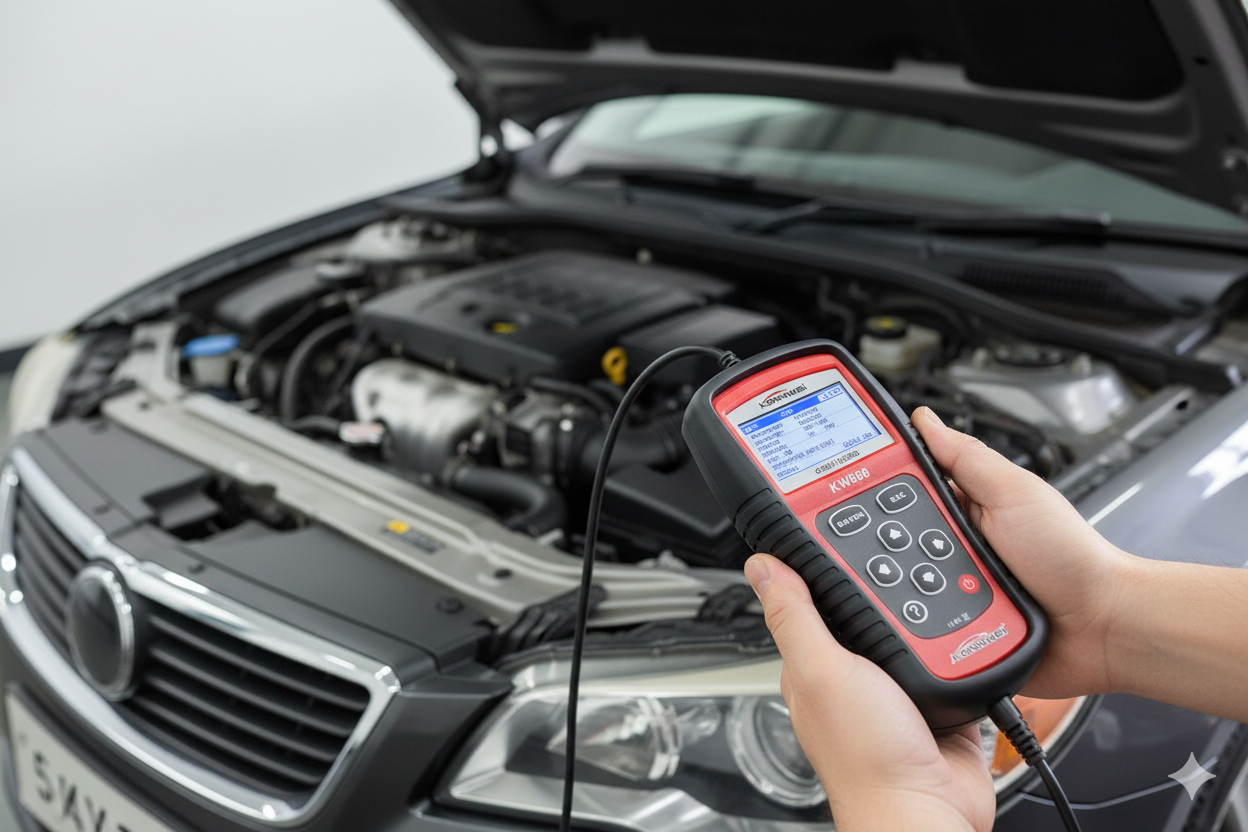
An OBD-II scanner is a valuable tool for anyone who wants to take a proactive approach to vehicle maintenance and repair. Even for those less mechanically inclined, a scanner can be just as useful as many of the other tools and accessories car or truck owners think of as mandatory. Here are some of its uses:
Troubleshooting Issues: An OBD-II scanner’s main purpose is to read diagnostic trouble codes (DTCs) from your car’s onboard computer. These codes pinpoint specific problems in your vehicle, simplifying the diagnosis process.
Monitoring Vehicle Health: Advanced OBD-II scanners offer real-time information on various aspects of your vehicle’s performance, including engine temperature, fuel efficiency, and emissions. This helps you monitor and assess your vehicle’s health and performance.
Resetting Warning Lights: Numerous OBD-II scanners enable you to clear DTCs and reset warning lights once an issue is resolved. This is especially helpful for removing noncritical codes and maintaining smooth vehicle operation.
Saving Money: By identifying issues early, you can address minor problems before they escalate into costly repairs, saving you significant money on mechanic bills.
Preventing Depreciation: Regularly diagnosing and fixing issues also helps keep your vehicle in good condition, helping to maintain its resale value.
FAQs
What is an OBD-II port?
An Onboard Diagnostics Version 2 (OBD-II) port is a standardized diagnostic interface included in all vehicles made since 1996. Their primary function is to communicate with the vehicle’s onboard computer to retrieve information on cylinder performance, fuel consumption, intake air temperature, engine speed, and much more.
Where is my OBD-II port located?
Although the exact location of the OBD-II port can vary among vehicles, it is typically located on the driver’s side. Most of them are under the dashboard, beneath the steering wheel but above the pedals.
What is a DTC?
DTC is short for diagnostic trouble code. This is a message generated by a vehicle’s onboard diagnostic (OBD) system when it detects an issue within a particular system or subsystem of a vehicle. DTCs are standardized across various makes and models of vehicles, and while all vehicles produced must support a specific subset of these codes if they use an OBD-II port, manufacturers sometimes also use their own codes that may be matched to their vehicles.
How do I know what problem a DTC has detected?
Each DTC fault code is made up of five characters: a single letter followed by four numbers. The letter denotes which of the four main systems the fault has been detected in:
- P: Powertrain
- B: Body
- C: Chassis
- N: Network
The second character is a number that specifies whether it’s a generic OBD-II code or a manufacturer code. (Manufacturers reserve the right to generate their own codes if there isn’t a generic code for a specific problem they’d like drivers and techs to be able to diagnose.)
- 0: Standardized (SAE) fault codes
- 1: Manufacturer-specific codes
The third character is either a letter or number that specifies which of the vehicle systems is throwing a fault:
- 0: Fuel and air metering and auxiliary emissions controls
- 1: Fuel and air metering
- 2: Fuel and air metering (specific injector circuit)
- 3: Ignition systems or misfires
- 4: Auxiliary emission controls
- 5: Vehicle speed control and idle control systems
- 7, 8, 9: Transmission and gearbox faults
- A, B, C: Hybrid propulsion systems
The fourth and fifth numbers denote the specific fault being detected. It can be any number between zero and 99.
Almost all modern OBD-II scanners will summarize the error code alongside the five-character alphanumeric code. Some of the more advanced models even have a code lookup function that will further explain the details of the fault and what might be causing it.
In the case of the Bluetooth OBD-II scanners, the apps might include video explainers (pulled from YouTube) that will show you how to further diagnose the code and possibly even repair the faulty components responsible for the problem.