For years, modifying a modern car in the United States has involved more than simply choosing the right parts.
Performance enthusiasts and aftermarket manufacturers also have to navigate emissions regulations.
An intake, exhaust component, engine calibration, or other performance-related modification may be perfectly capable of improving a vehicle—but if it affects an emissions-controlled system, federal law can create significant compliance requirements.
Now, a major development involving the U.S. Environmental Protection Agency could change part of that process.
In July 2026, the EPA implemented the federal government’s new “Freedom to Fix” policy and recognized the Specialty Equipment Market Association’s SEMA Certified-Emissions program as an alternative pathway for aftermarket companies to demonstrate that certain products comply with the Clean Air Act.
For the automotive aftermarket, that could be an important shift.
Why Modifying a Modern Car Can Be Complicated
Modern vehicles are heavily dependent on emissions-control technology.
Engine control units constantly monitor performance.
Oxygen sensors track exhaust gases.
Catalytic converters reduce harmful emissions.
On many vehicles, onboard diagnostics can detect faults involving emissions-related systems.
That means performance modifications are no longer as simple as replacing a mechanical component and heading back onto the road.
Under the Clean Air Act, aftermarket products cannot legally bypass, disable, remove, or improperly tamper with emissions-control systems. The new EPA policy does not eliminate those rules.
What has changed is the certification landscape for certain aftermarket products.
The SEMA Certified-Emissions Program Gets EPA Recognition
Previously, California’s CARB certification process was effectively the primary recognized pathway used by many aftermarket manufacturers seeking to demonstrate emissions compliance.
Under the EPA’s July 2026 action, companies can now use SEMA’s Certified-Emissions (SC-E) program as an additional recognized pathway for demonstrating that eligible aftermarket products do not negatively affect compliance with the Clean Air Act.
That matters because certification can be expensive and time-consuming, particularly for smaller companies.
According to the EPA, the policy is intended to reduce unnecessary barriers while maintaining emissions requirements. The agency has emphasized that aftermarket products still must comply with federal law.
In other words, this is not a free pass to modify anything without restrictions.
It is potentially a new route for companies to bring compliant aftermarket products to market.
What This Could Mean for Performance Enthusiasts
For enthusiasts, the biggest potential benefit is more choice.
A more accessible certification pathway could make it easier for aftermarket companies to develop and sell compliant products.
That could include certain types of:
- Performance air intakes
- Engine components
- Exhaust-related upgrades
- Calibration-related products
- Replacement components
- Other emissions-related aftermarket parts
The exact impact will depend on the product, the manufacturer, the vehicle, and applicable federal and state regulations.
But the broader message is significant.
The U.S. government is signaling that modifying and repairing a vehicle does not automatically have to mean violating emissions laws—as long as the modification remains compliant.
A Performance Intake Is a Good Example
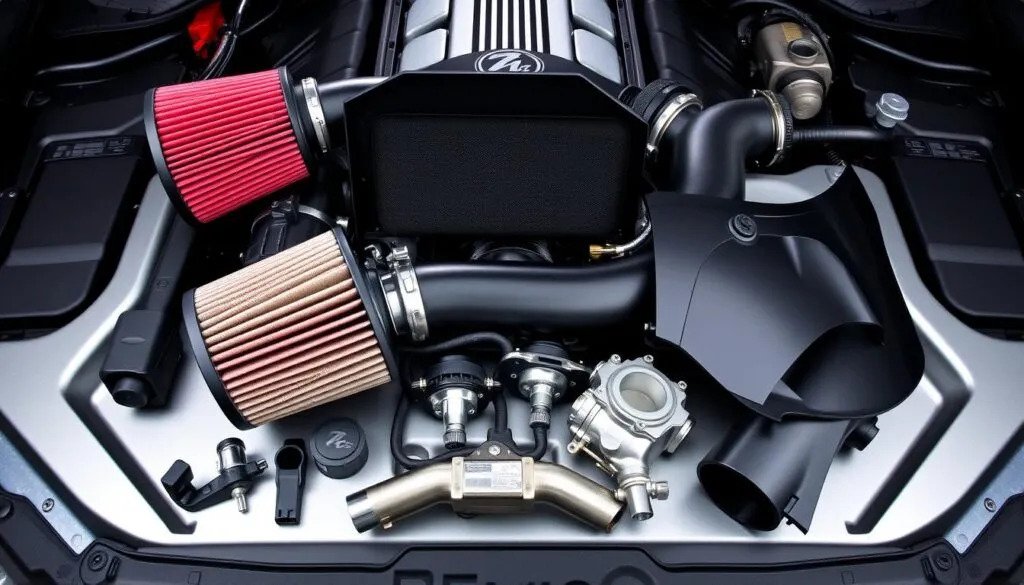
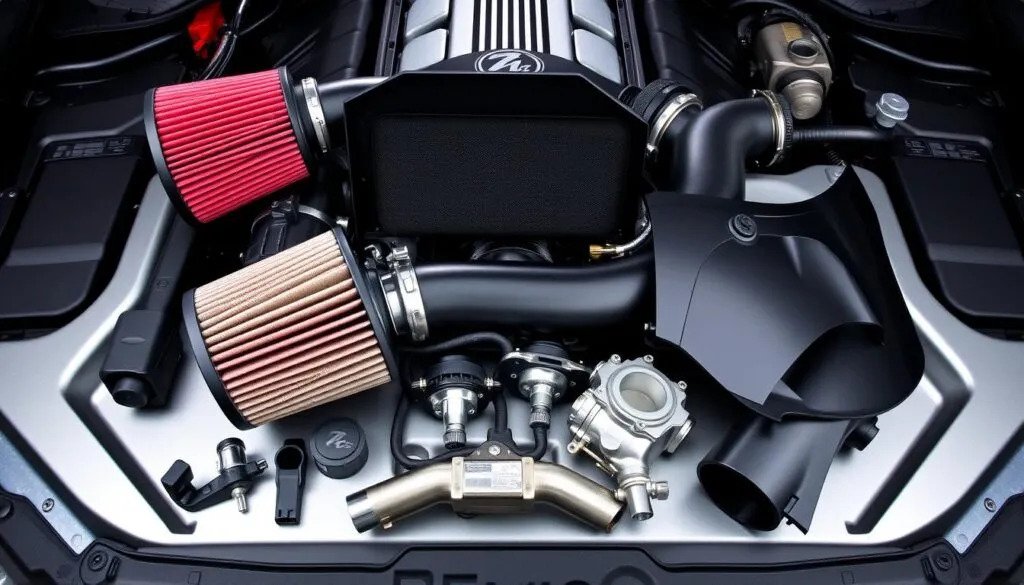
A cold-air or performance intake is one of the most common first modifications for enthusiasts.
Depending on the vehicle and the design, an intake upgrade can change induction sound, airflow characteristics, and under certain conditions contribute to performance improvements.
But compatibility matters.
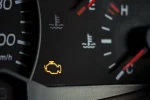
Modern engines rely on carefully calibrated sensors and airflow calculations. Installing the wrong intake—or using a poorly designed product—can potentially cause problems ranging from warning lights to poor drivability.
For enthusiasts looking to start with a relatively simple performance modification, a vehicle-specific air intake designed for their exact year, make, model, and engine can be a practical place to begin.

- INLET SIZE: Uses a 2.75-inch (70mm) clamp-on inlet; measure the intake tube outside diameter before ordering.
- WASHABLE DRY MEDIA: Reusable filter element can be cleaned without oil and must dry completely before reinstallation.
- CLAMP-ON INSTALLATION: Reinforced inlet secures to compatible tubing with the included stainless steel clamp.
Before purchasing, always verify fitment and check whether the product is legal for use in your state.
“Freedom to Fix” Is About More Than Performance Parts
The EPA’s recent guidance also addresses access to repair information.
The agency has stated that manufacturers have obligations under the Clean Air Act to provide access to emissions-related service information, training materials, OBD data, enhanced diagnostics, passthrough reprogramming information, and manufacturer-specific tools on reasonable terms.
That could be particularly important as vehicles become more dependent on software.
A modern mechanic may have the physical ability to repair a vehicle but still need access to diagnostic information or programming tools to complete the job.
The new guidance reinforces the idea that emissions regulations should not unnecessarily prevent legitimate repair work.
What the Change Does Not Mean
It is important not to misunderstand the news.
The EPA has not legalized emissions tampering.
The agency has not announced that owners can simply remove catalytic converters, defeat emissions systems, or install any engine modification without considering federal and state regulations.
Those restrictions remain in place.
The policy instead changes how certain aftermarket companies can demonstrate compliance and clarifies access to emissions-related repair information.
That distinction matters.
A legal performance build and an illegal emissions defeat device are not the same thing.
Could This Lead to More Innovation?
That is the question the aftermarket industry will now be watching.
Smaller manufacturers often face significant costs when developing and validating new products.
If the SEMA Certified-Emissions program provides a faster and more accessible route for demonstrating compliance, it could potentially encourage more companies to develop new products.
SEMA says its program is intended to provide a nationally recognized, data-driven pathway for aftermarket manufacturers seeking to document emissions compliance.
For enthusiasts, more competition could mean:
- More product choices
- New performance technologies
- Better availability
- More options for legal modifications
- Increased competition between aftermarket brands
Of course, the real impact will take time to become clear.
Regulatory changes do not instantly create new products.
Manufacturers still need to design, test, produce, and support them.
The Future of Car Modification Is Changing
Car modification is entering a new era.
The old-school approach of simply bolting parts onto an engine is increasingly being replaced by a more complicated environment involving electronics, software, emissions systems, cybersecurity, and government regulations.
That makes changes like the EPA’s recognition of SEMA’s certification program particularly important.
The future of modifying cars may depend not only on what engineers can build—but also on whether manufacturers can bring those products to market legally and affordably.
For American enthusiasts, the new “Freedom to Fix” policy does not remove all of the rules.
But it could make the path toward legal, compliant aftermarket innovation a little clearer.
And for an industry built on making cars faster, more capable, and more personal, that could be a modification worth watching.