Tesla is recalling nearly 3 million vehicles in China over a safety concern involving one of the brand’s most recognizable design features: its electronically operated door handles.
The recall affects approximately 2.98 million Tesla vehicles, including the Model 3, Model Y, Model S, and Model X. According to China’s State Administration for Market Regulation, the concern is not simply whether the doors can open during normal operation. The problem becomes potentially dangerous in an emergency.
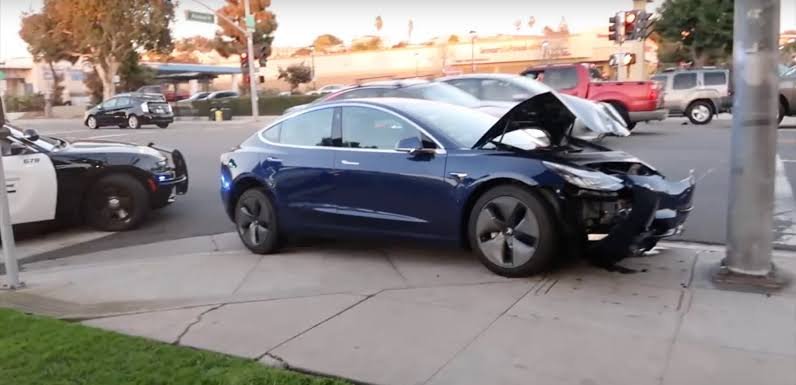
If a severe collision causes the vehicle’s low-voltage electrical system to fail, occupants may need to rely on a mechanical emergency door release. However, regulators say these manual releases can be difficult to identify and operate because they blend into the surrounding interior trim. That could make it harder for occupants to escape or for rescuers to gain access to the vehicle.
Which Teslas Are Affected?
The recall covers a wide range of vehicles produced between 2018 and 2026.
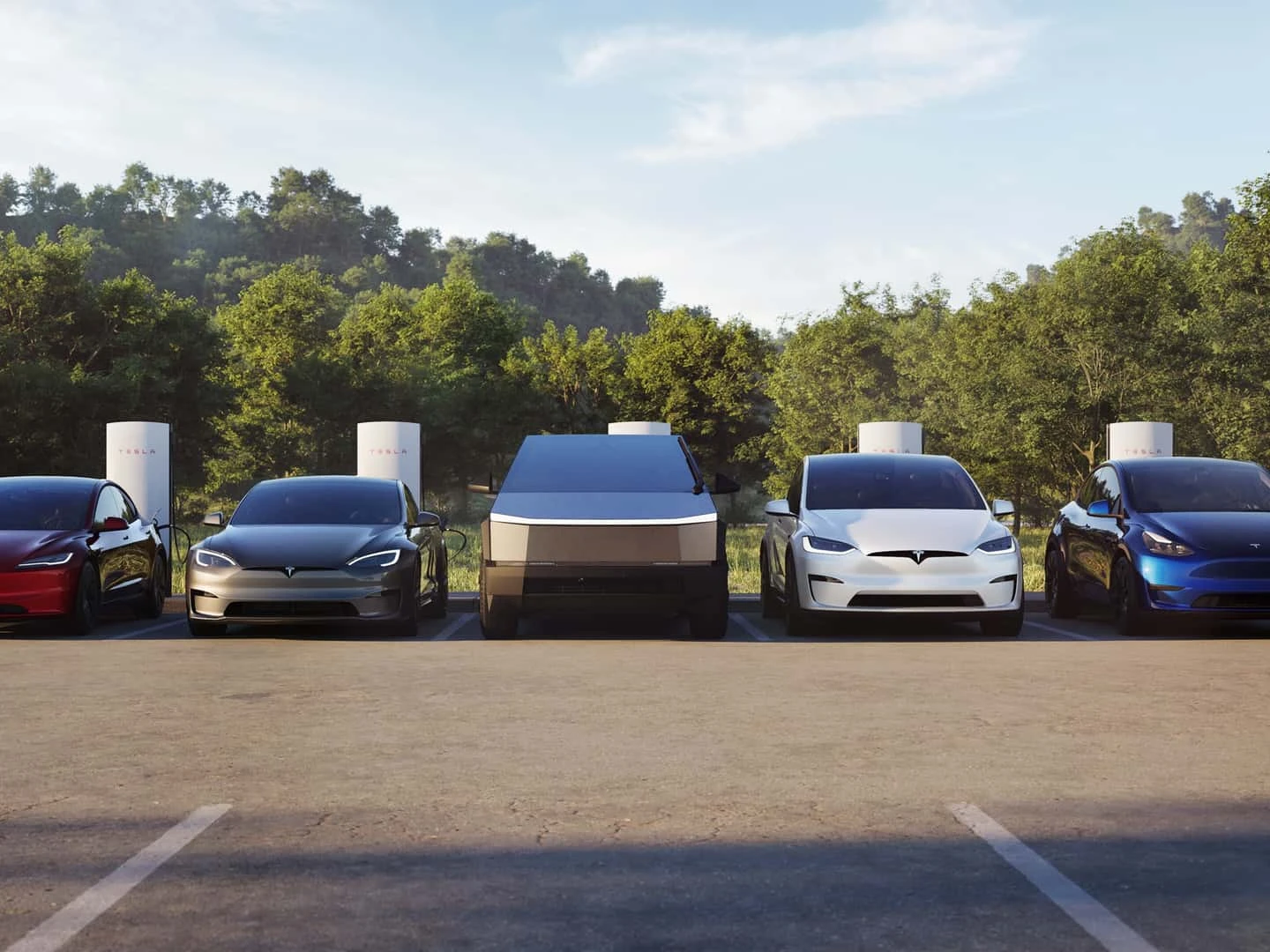
The affected vehicles include:
- Tesla Model 3
- Tesla Model Y
- Tesla Model S
- Tesla Model X
China’s regulator lists approximately 2.98 million vehicles in the door-release recall. The largest groups are the China-built Model 3 and Model Y, meaning the issue affects a substantial portion of Tesla’s fleet in the world’s largest EV market.
The Problem With Hidden Door Handles
Flush-mounted and electronically operated door handles have become increasingly popular, particularly among electric vehicles.
The design offers several advantages. It can improve aerodynamics, create a cleaner exterior appearance, and contribute to the futuristic styling that has become closely associated with modern EVs.
But the technology also creates a new challenge: what happens when the vehicle loses electrical power?
Most modern vehicles with electronic door systems include some form of mechanical backup. The problem identified in this recall is that a backup system is not particularly useful if a driver or passenger cannot quickly find it during a stressful emergency.
In a serious accident, seconds can matter.
China’s regulators concluded that the emergency mechanical releases in the affected vehicles may be too difficult to identify because of their similarity in color and appearance to the surrounding interior.
Tesla’s Fix: Software Updates and Warning Labels
Unlike a traditional recall involving the replacement of millions of physical components, much of Tesla’s solution can be delivered remotely.
Tesla plans to use over-the-air software updates to modify the vehicle’s window control strategy. Following a detected collision, the updated system can lower the windows, potentially creating an additional way for occupants to exit and for rescuers to access the vehicle.
Affected vehicles will also receive warning labels designed to make the emergency mechanical door releases easier to identify. Some vehicles that already have the necessary labels will not require another physical update.
Tesla Isn’t the Only Automaker Facing the Problem
This is part of a much larger safety action in China.
Tesla and several other automakers are involved in recalls covering approximately 4.3 million vehicles over similar concerns related to emergency door access. Companies affected include Xiaomi, Leapmotor, XPENG, Geely and others.
The scale of the recalls highlights a broader question for the automotive industry: Have manufacturers prioritized futuristic design too heavily over simplicity and emergency usability?
China Is Moving Against Hidden Door Handles
The recalls come as Chinese regulators increase scrutiny of concealed and electronically operated door-handle designs.
China is preparing rules that will restrict hidden door handles beginning in 2027, reflecting growing concerns that electronic mechanisms may create additional risks when vehicles lose power after a serious accident. Regulators in other markets are also examining similar safety questions.
The issue could have consequences far beyond Tesla.
Over the past decade, flush door handles have spread across the automotive industry. What began as a distinctive feature on certain luxury and electric vehicles is now found on everything from high-end EVs to mainstream models.
If regulators conclude that these designs create unacceptable emergency risks, automakers may be forced to rethink one of the defining styling trends of modern electric vehicles.
What This Means for Tesla Owners
For now, this recall applies to vehicles in China, and there has been no equivalent recall announced for Tesla vehicles in the United States based on this specific issue.
However, the situation is still significant for Tesla owners worldwide.
It serves as an important reminder that every driver should know how to operate their vehicle’s manual emergency door release. Electronic systems are convenient, but mechanical backup systems can become critical when electrical power is unavailable.
Tesla’s recall also demonstrates how modern automotive recalls are changing. Instead of requiring every owner to visit a dealership for a physical repair, many safety updates can now be delivered directly to the vehicle through software.
That convenience may reduce the burden of a recall, but it also raises an important question for the future of automotive design:
As cars become increasingly dependent on electronics, are automakers making basic functions unnecessarily complicated?
For regulators in China, the answer appears to be increasingly clear: when it comes to emergency exits, simplicity may be more important than futuristic design.