For years, car enthusiasts have been hearing the same prediction: traditional car culture is dying.
Manual transmissions are disappearing. Cars are becoming increasingly dependent on software. Electrification is transforming the automotive industry, and modern vehicles are often more difficult to modify than the tuner cars of the 1990s and 2000s.
But if the energy surrounding Japanese tuning culture in 2026 is any indication, the modified-car scene is far from dead.
From classic JDM icons receiving modern performance upgrades to newer cars being transformed with aggressive aero packages, suspension setups, custom wheels, and advanced ECU tuning, car modification continues to evolve rather than disappear.
Events such as Tokyo Auto Salon remain a major showcase for that evolution, demonstrating that the appetite for customized, personalized, and heavily modified cars is still alive.
The Definition of a “Modded Car” Is Changing
In the past, modifying a car often followed a relatively simple formula.
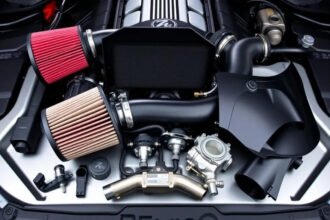
Install an intake.
Upgrade the exhaust.
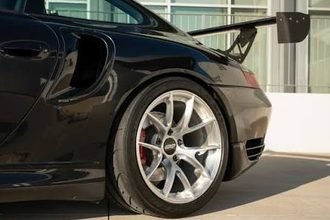
Lower the suspension.
Add aftermarket wheels.
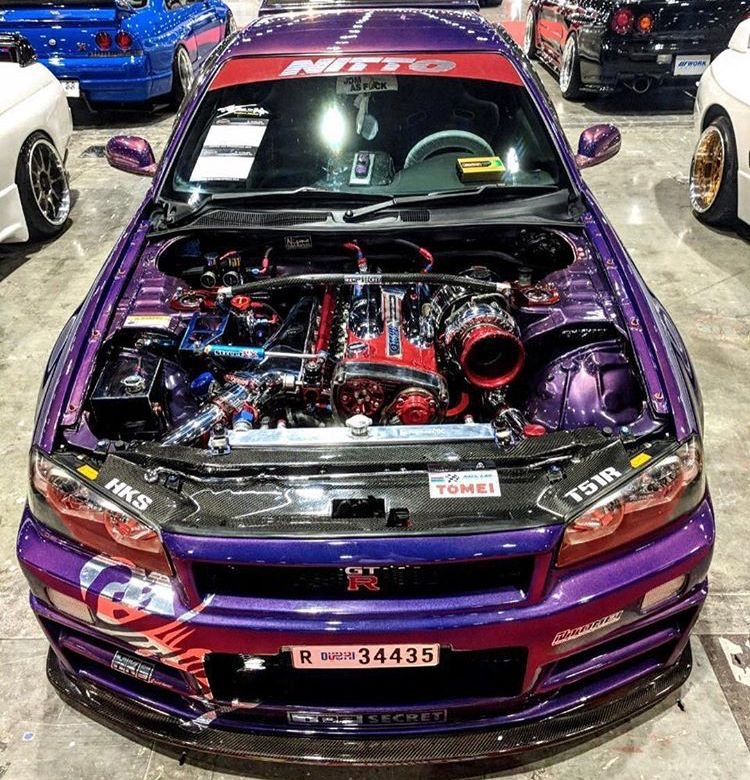
Maybe install a turbocharger or perform an engine swap if the budget allowed.
Those modifications are still popular, but the modern tuning scene has become significantly more sophisticated.
Today’s builds can combine traditional mechanical upgrades with:
- ECU and transmission tuning
- Custom engine management
- Advanced suspension systems
- Lightweight components
- 3D-designed aerodynamic parts
- Digital dashboards
- Modern infotainment retrofits
- High-performance brake packages
- Custom fabrication
The result is a new generation of modified cars where software knowledge is becoming almost as important as mechanical skill.
Old-School JDM Cars Are Getting Modern Technology
One of the most interesting trends in the modification world is the combination of classic cars with modern technology.
Enthusiasts are taking older platforms—including the Nissan Skyline, Mazda RX-7, Honda Civic, Toyota Supra, and Mitsubishi Lancer—and giving them capabilities that were unimaginable when they originally left the factory.
A classic JDM car can now receive:
- Modern standalone ECUs
- Digital engine monitoring
- Electronic boost control
- Coilover suspension
- Modern turbochargers
- High-performance braking systems
- Custom 3D-printed components
The goal is no longer simply to restore an old car.
For many builders, the objective is to create something that combines old-school character with modern performance and reliability.
That is one reason classic Japanese cars continue to dominate the enthusiast market.
Suspension Is Becoming One of the Most Important Mods
Horsepower will always attract attention, but enthusiasts are increasingly focusing on how a car actually drives.
A powerful car with poor suspension, weak brakes, and inadequate tires is rarely a balanced build.
That is why modifications such as coilovers, adjustable dampers, upgraded sway bars, chassis bracing, and performance tires are becoming fundamental parts of modern builds.
The best modifications are often the ones that improve the entire driving experience rather than simply increasing the horsepower number.
A properly tuned suspension can transform a relatively slow car into something far more enjoyable on a back road or track.
And unlike some extreme engine modifications, suspension upgrades can improve handling without necessarily sacrificing reliability.
Aero Is No Longer Just About Looking Aggressive
One of the biggest visual trends in the modern modification scene is aggressive aerodynamic styling.
Front splitters.
Canards.
Side skirts.
Rear diffusers.
Massive wings.
Wide-body conversions.
But there is an important difference between installing aerodynamic parts for appearance and installing components that actually improve performance.
A properly engineered wing or splitter can generate useful aerodynamic effects at speed.
However, simply adding random aftermarket pieces does not automatically make a car faster.
Poorly designed aerodynamic modifications can add weight and drag without producing meaningful downforce.
That distinction is becoming increasingly important as enthusiasts become more interested in functional builds instead of purely cosmetic modifications.
ECU Tuning Is Changing the Game
Modern cars are increasingly controlled by software.
That means performance tuning is also moving deeper into the digital world.
Instead of physically replacing major engine components, some performance gains can be achieved through changes to the engine’s calibration.
Depending on the vehicle and its hardware, ECU tuning can modify parameters such as boost pressure, ignition timing, fuel delivery, throttle response, and torque management.
But more power is not always better.
A poorly developed tune can create serious reliability problems, particularly when the engine, cooling system, transmission, fuel system, or other components are not capable of handling the additional stress.
The best builds are balanced.
If you increase power significantly, you may also need better cooling, brakes, tires, suspension, and drivetrain components.
The Rise of the “Complete Build”
Perhaps the biggest change in modern car culture is the growing popularity of complete builds.
Instead of modifying a car randomly over several years, more enthusiasts are approaching projects with a specific goal.
Is the car being built for:
- Street performance?
- Track days?
- Drifting?
- Drag racing?
- Car shows?
- Off-road use?
- Daily driving?
The answer can completely change the modification strategy.
A track-focused build may prioritize lightweight wheels, brakes, cooling, suspension, and aerodynamic performance.
A show car may focus more heavily on paint, fitment, interior design, and custom fabrication.
A street build may need to balance power with comfort, reliability, fuel economy, and legality.
The best modified cars usually have a clear identity.
Car Mods Are Entering a New Era
The modification world is changing, but it is not disappearing.
The next generation of enthusiasts will modify cars differently from previous generations.
Some will tune turbocharged engines through software.
Others will restore and modernize classic JDM cars.
Some builders will focus on suspension and track performance.
And increasingly, EV owners may begin exploring new forms of customization involving wheels, suspension, aerodynamics, software, and visual modifications.
The tools are changing.
The technology is changing.
But the fundamental idea behind car modification remains exactly the same.
Take something built for everyone—and make it your own.
That is why, despite predictions about the end of traditional car culture, the modified-car scene continues to evolve.
And in 2026, JDM tuning, performance upgrades, custom fabrication, and personalized builds are proving that car enthusiasts still have plenty of reasons to pick up their tools, open their laptops, and start modifying.