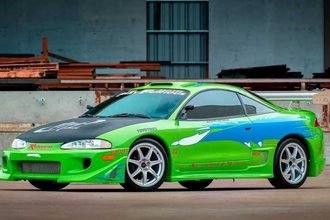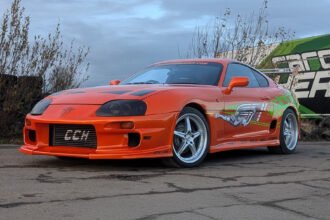
Japanese car culture is heading back to one of Britain’s most famous racing circuits.
Go Japan!, one of the UK’s major celebrations of Japanese automotive culture, is returning to Brands Hatch, bringing together everything from classic JDM icons and heavily modified street cars to modern Japanese performance machines.
For fans of Nissan, Toyota, Honda, Mazda, Subaru, Mitsubishi, and other Japanese brands, the event represents much more than a traditional car show.
It is a celebration of an automotive culture that has expanded far beyond Japan.
JDM Culture Has Gone Global
For decades, Japanese performance cars have built passionate followings around the world.
What started with enthusiasts importing cars, modifying engines, and gathering at local meets has developed into a global automotive movement.
Cars such as the Nissan Skyline GT-R, Toyota Supra, Mazda RX-7, Honda NSX, Subaru Impreza WRX STI, and Mitsubishi Lancer Evolution have become recognizable even to people who may never have driven one.
The appeal goes beyond horsepower.
JDM culture is connected to tuning, motorsport, drifting, customization, and the idea that a car can be transformed into something unique.
That is exactly the type of culture that events like Go Japan! celebrate.
According to Brands Hatch, the 2026 event will feature a wide variety of Japanese vehicles and automotive attractions, with enthusiasts gathering to celebrate Japan’s influence on car culture and motorsport. (brandshatch.co.uk)
From Classic Icons to Modern Japanese Performance
One of the most interesting aspects of Japanese car culture is the enormous variety of vehicles involved.
At one end of the spectrum are classic models that have become increasingly valuable.
A clean Nissan Skyline GT-R, Toyota Supra, or Mazda RX-7 can now attract attention at major automotive events around the world.
At the other end are modern performance cars.
The Toyota GR Yaris, Honda Civic Type R, Nissan Z, and Toyota GR Supra demonstrate that Japanese manufacturers are still producing vehicles with serious enthusiast appeal.
Then there are the modified cars.
For many people, that is where the real personality of JDM culture begins.
A completely stock car can be impressive.
But a carefully built project car tells a story about its owner.
Different wheels.
A new suspension setup.
Engine modifications.
Custom paint.
A unique interior.
Every build can have a completely different identity.
Why Modified Japanese Cars Still Dominate Enthusiast Culture
The relationship between Japanese cars and the modification world is not accidental.
For decades, Japanese manufacturers produced vehicles with a combination of affordability, reliability, and performance potential.
That made them attractive platforms for enthusiasts.
The aftermarket responded.
Today, it is possible to find an enormous range of performance and cosmetic parts for many Japanese vehicles.
That ecosystem helped create some of the most recognizable builds in automotive history.
A Honda Civic can become a track car.
A Nissan 240SX can become a drift machine.
A Subaru WRX can be transformed into a rally-inspired street car.
A Toyota Supra can be built for extreme horsepower.
The possibilities are one of the reasons JDM culture has survived multiple generations of automotive trends.
Motorsport Is Still at the Center
Although car shows and modified street cars attract huge crowds, motorsport remains a major part of Japanese automotive culture.
Japan has influenced almost every major form of racing.
From Toyota’s endurance racing success to Honda’s Formula 1 history, Subaru’s rallying heritage, and Nissan’s involvement in touring car and GT racing, Japanese manufacturers have repeatedly used competition to develop technology and build their performance reputations.
Modern Japanese car events often bring these different worlds together.
A visitor might see a classic Skyline GT-R parked next to a modern GT race car.
A heavily modified drift car might sit next to a completely restored 1980s Toyota.
That mixture is part of what makes the culture so interesting.
There is no single definition of a JDM build.
The Influence of Japanese Car Culture Goes Beyond Cars
JDM culture has also created its own visual identity.
Japanese automotive-inspired garages, workshops, bedrooms, and offices often feature racing posters, illuminated signs, manufacturer logos, vintage advertisements, and artwork inspired by legendary cars.
For many enthusiasts, the passion does not stop when the engine is turned off.

- Premium Red JDM Style Shift Knob Upgrade: Add an instant performance-inspired look to your interior with this cool JDM-s…
- One Size Fits Most 4/5/6 Speed Manual & Buttonless Automatic Shifters: Works with most cars, trucks, and SUVs using stan…
- 3” Short Design, 1.25” Top Diameter, with Solid Aluminum Alloy Construction: Precision-crafted from high-quality aluminu…
Why Events Like Go Japan! Matter
Automotive culture is changing.
Modern cars are becoming increasingly electrified and dependent on software. Some legendary nameplates have disappeared, while others have returned in completely different forms.
At the same time, classic Japanese cars are becoming harder to find.
Many have been modified, crashed, exported, or simply deteriorated over time.
That makes events celebrating Japanese automotive culture increasingly important.
They bring together different generations of enthusiasts.
Someone who grew up watching Initial D may be standing next to a younger fan who discovered Japanese cars through Gran Turismo or social media.
A classic AE86 can attract the same attention as a modern GR86.
A 1990s Skyline GT-R can share a parking area with a new Civic Type R.
The technology may be different.
The enthusiasm is not.
Japanese Car Culture Is Bigger Than Ever
The return of Go Japan! to Brands Hatch is another reminder that JDM culture is no longer limited to Japan—or even to people who own Japanese cars.
It has become a global community built around a shared appreciation for Japanese engineering, motorsport, design, and customization.
And that community continues to evolve.
Some enthusiasts are restoring classic cars.
Others are building 1,000-horsepower monsters.
Some are focused on drifting.
Others are collecting original, unmodified examples.
Then there are the people who simply appreciate the history and design behind the cars.
Events like Go Japan! bring all of those groups together.
Whether your dream car is an R34 Skyline, FD RX-7, Supra, NSX, Evo, WRX STI, or something much more unusual, the same passion continues to connect JDM enthusiasts around the world.
And judging by the continued popularity of Japanese automotive events, that culture is showing no signs of slowing down.
Japanese cars may have started as an alternative to European and American performance machines. Today, they are automotive icons in their own right.